Post Contents
Event marketing ROI is the business impact created by an event, relative to what you spent to run it. In practice, that means connecting event-sourced and event-influenced activity to pipeline and revenue, while also tracking the leading indicators that tell you whether an event is likely to pay off later. The hard part is usually not the formula. It is getting event data into a clean, governed flow quickly enough to trust the downstream reporting.
Key Takeaways
- Event marketing ROI compares attributed pipeline or revenue against total event cost: use pipeline for early visibility, revenue once deals have had time to close.
- Track five things rather than badge scans alone: lead volume, lead quality, speed to follow-up, pipeline created, and revenue including influenced revenue.
- Attribution breaks when every event uses different capture methods and fields, so standardize and de-duplicate through one intake layer before leads reach your MAP or CRM.
- Keep event name, event type, region, and source attached to every record, and review ROI twice: early indicators after the event, pipeline and revenue months later.
A simple ROI formula is:
ROI = (attributed pipeline or revenue – total event cost) / total event cost
Use pipeline when you need earlier visibility. Use revenue when enough time has passed for deals to close.
What to track, beyond badge scans
The question that matters has not changed: did this program create sales outcomes, not just activity? The event marketing metrics below answer that in order, moving from raw counts through to revenue.
1. Lead volume
Start with how many leads the event produced. This is your top-of-funnel count, not your ROI answer.
2. Lead quality
Volume without quality is noise. Track whether the contacts coming out of the event match your ICP, include the fields sales needs, and meet your data standards. Screen event leads against those three tests before they reach your MAP or CRM, so the records you report on are the records sales can actually work.
3. Speed to follow-up
Events lose value when follow-up lags. Response rates after the event still matter, but the bigger lever is speed: validate, enrich, and route leads at the point of capture so reps can act in hours instead of days.
4. Pipeline created
This is where event reporting becomes useful to the business. Tie event and field data to opportunities so you can see which specific events, roadshows, and regional programs are creating pipeline, not just attendance.
5. Revenue and influenced revenue
Revenue per event is the long-term test, with one important nuance: look at closed-won impact and influenced revenue, not just immediate direct sourcing. Field programs often contribute across a longer buying journey, and direct-sourced revenue alone will understate them.
How to make event attribution hold up
Metrics tell you what happened. Attribution tells you why it counted. If you want the step-by-step measurement walkthrough, our guide to measuring event ROI covers that process end to end. The steps below focus on the data work that has to happen first for any of it to hold up.
Standardize the event record first
If each event uses different lead capture methods and different fields, reporting breaks before attribution even starts. That inconsistency is the core measurement problem. Route badge scans, lists, forms, and partner uploads through one intake layer, so every lead is standardized and de-duplicated before it enters your MAP or CRM.
Apply rules before leads move downstream
Good reporting depends on trustworthy input. Apply validation, enrichment, deduplication, consent handling, and routing rules before leads enter the revenue engine, not after the numbers already look wrong.
Keep campaign context attached
Event performance gets blurry when lead records lose the event name, event type, region, or source. Keep those dimensions attached from the start so you can compare events consistently and see which tactics are creating pipeline and revenue.
Review ROI on two timelines
Review early indicators right after the event, such as lead quality and follow-up speed. Then revisit the program later for pipeline and revenue, because event value often shows up long after the show floor is gone and the sales cycle keeps moving.
Where Integrate fits today
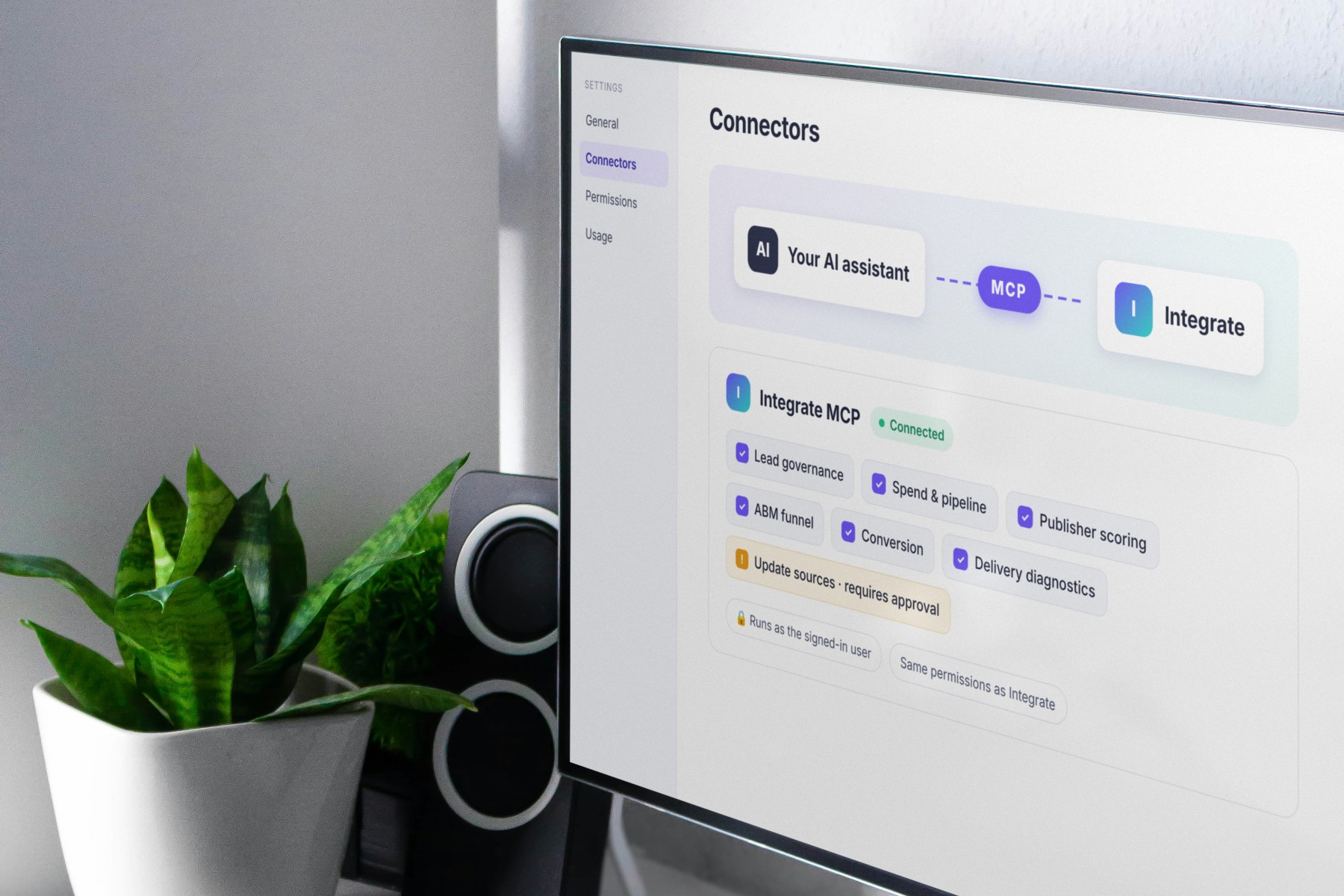
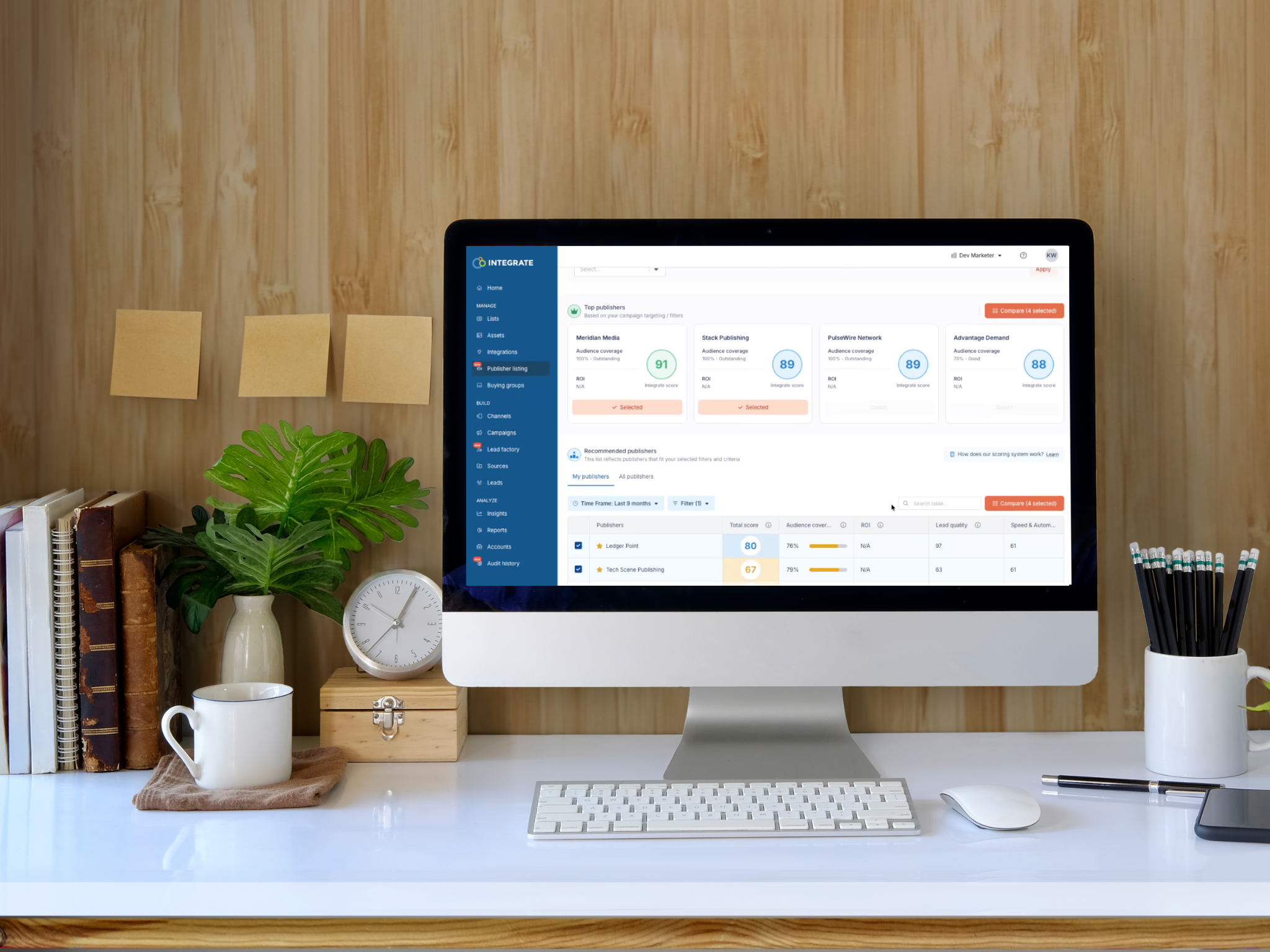
For field marketing teams, Integrate sits between lead capture and downstream activation as an intake and governance layer. It connects to your CRM, MAP, and event lead sources, validates and standardizes incoming records, helps accelerate follow-up, and supports reporting on which events and regional programs create pipeline and revenue. It works alongside the event tools you already use for badge scanning and registration rather than replacing them.
See it on your own event data
To see how governed event lead intake changes what your event reporting can prove, book a demo.
Frequently Asked Questions
Is attendance a useful ROI metric?
It is useful context, but not a decision metric on its own. Attendance tells you how many people showed up; pipeline and revenue impact tell you whether the program was worth running.
What is the best leading indicator right after an event?
Lead quality plus follow-up speed. If the records are complete, compliant, and routed quickly, you have a much better chance of turning event activity into meetings and opportunity creation.
Do I need to replace my event tools to improve ROI reporting?
No. A governed intake layer sits between capture and activation, connecting to the CRM, MAP, and event lead sources you already run. The goal is to clean and standardize what flows through, not to rip out your event tools.
About The Author