Post Contents
An event qualified lead, or EQL, is a person your team meets at an event who shows real fit and real interest during a live conversation. It is more than a badge scan, a business card, or a name on a list. An EQL includes enough qualification context to justify fast follow-up after the event. In simple terms, an EQL helps you separate meaningful event conversations from raw event contacts. That matters because event ROI is not just about lead volume. It is about lead quality, follow-up speed, lifecycle progression, and whether event activity contributes to pipeline and revenue over time.
Key Takeaways
- An EQL is an event contact whose live conversation showed enough fit, interest, and context to justify prioritized follow-up, not just a badge scan.
- A genuine EQL needs three things: clean identifying data, qualification detail from the conversation, and a clear reason for timely follow-up.
- EQLs sit alongside your MQL and SQL framework as an event-specific layer built on consistent capture, validation, fast routing, and event tagging.
- Measure EQL volume, follow-up speed, progression to opportunity, and event-influenced pipeline rather than badge scan counts alone.
Why EQLs still matter
Many teams still bucket event leads into one broad category, even though event lists usually contain a mix of hot, warm, and cold contacts. Treating your strongest event conversations as a distinct category gives field and sales teams a practical way to prioritize them first.
That distinction is even more useful now because B2B buying journeys are longer and harder to measure with a simple last-touch view. Events often influence buyers across multiple touchpoints, so marketers need clean data, reliable tagging, and a way to track progression from event engagement to opportunity and revenue.
What turns an event contact into an EQL?
An event contact becomes an EQL when your team captures both accurate contact data and useful conversation context. That means not just who the person is, but also why they stopped, what problem they are trying to solve, what they were interested in, and what should happen next.
A good EQL usually has three things:
- Clean identifying data, so the record is actually usable downstream.
- Qualification detail from the booth, meeting, dinner, or session conversation.
- A reason for timely follow-up, whether that is fit, urgency, interest, or a clear next step.
Not every event lead needs to become an EQL. If someone only wanted swag, entered a giveaway, or gave you minimal information, that contact may still belong in your database, but it should not get the same priority as a genuinely qualified event conversation.
How EQLs fit into your lead process
EQLs do not need to replace your marketing qualified lead (MQL) or sales qualified lead (SQL) framework. They work best as an event-specific qualification layer that helps your team handle event-sourced leads with more precision.
A practical process looks like this:
1. Capture event leads consistently
Collect leads from every event source you use, including booth scans, CSV uploads, mobile lead capture applications, digital forms, and virtual event platforms.
2. Validate and standardize before follow-up
Bad formatting, missing fields, and inconsistent values make routing, scoring, and attribution less reliable. Standardizing and validating event data before it hits your MAP or CRM improves the odds that your best leads can be acted on quickly.
3. Route EQLs quickly
Fast follow-up matters. Shorten the gap between capture and outreach so the people your team met at the event hear from sales while the conversation is still fresh.
4. Tag event context for reporting
If you want to understand which events are worth repeating, you need to tag leads with useful event metadata such as event name and event type. That makes it easier to compare trade shows, hosted events, partner programs, and other formats across pipeline and revenue outcomes.
How to measure whether your EQL process works
Start with a few operational questions.
- How many event leads became EQLs?
- How quickly were EQLs followed up after the event?
- How many EQLs progressed to opportunity, and how fast did they move?
- Which events produced the best mix of qualified conversations, pipeline influence, and revenue impact?
Those questions give you a better read on event performance than badge scans alone. Lead volume still matters, but it should sit alongside lead quality, follow-up rate, progression, and influenced pipeline.
Where Integrate fits
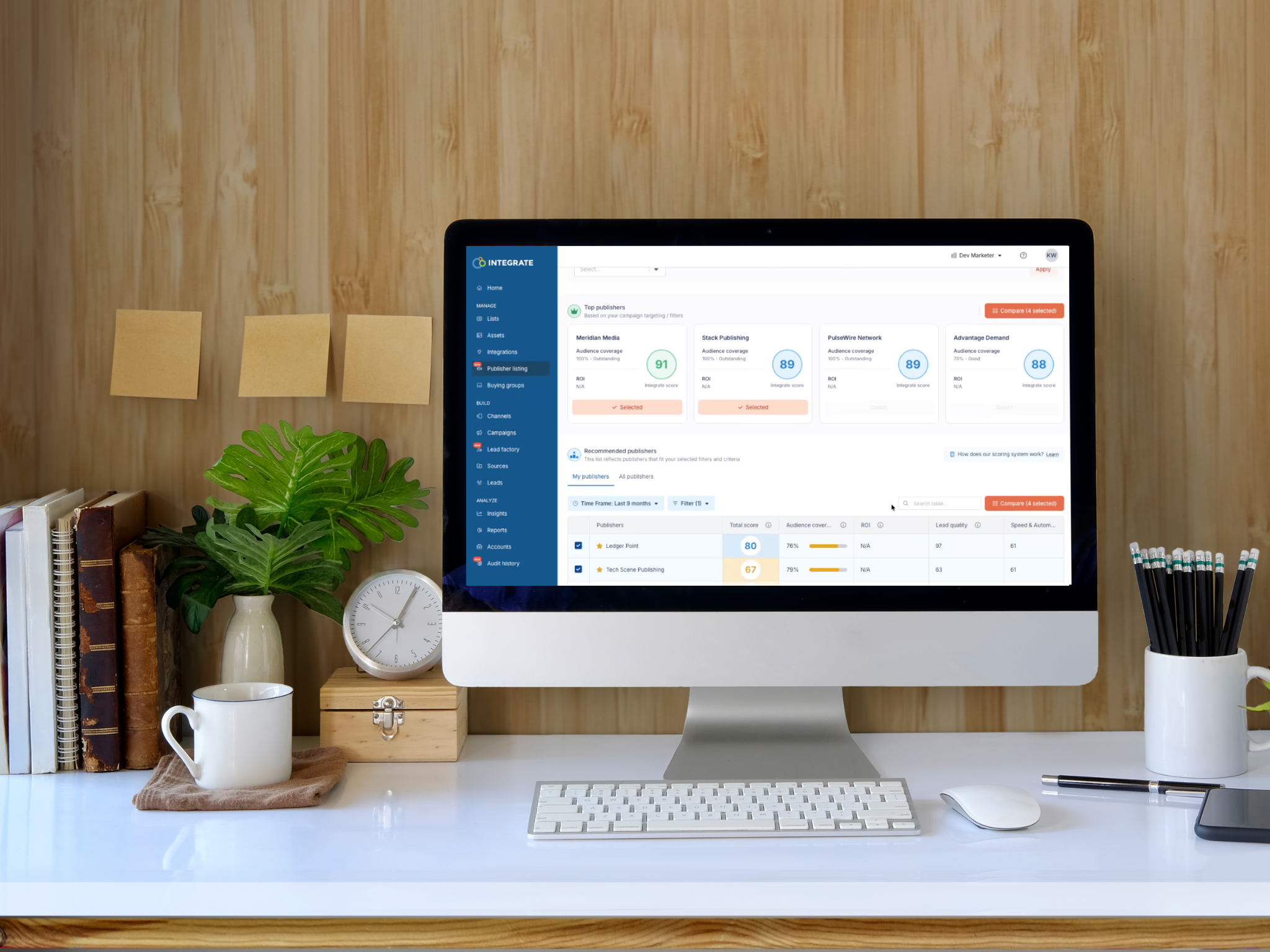
If you need help operationalizing EQLs, Integrate works as the governed intake layer for event and field lead sources. It collects leads from multiple event inputs, validates them against quality and compliance criteria, standardizes the data, routes accepted records to downstream systems, and gives field marketing teams visibility into event performance and lead outcomes.
That does not change the definition of an EQL. It simply makes the process more reliable, especially when your event program spans different regions, partners, formats, and data sources.
Want to see how that works in practice? Request a demo to walk through event and field lead intake end to end.
Frequently Asked Questions
Is an EQL the same as an MQL?
No. An EQL is an event-specific designation for a lead that has been qualified through an event interaction. It can complement your broader MQL and SQL process, but it serves a different operational purpose.
Should every badge scan become an EQL?
No. Good event lead capture records context, not just contact details. A badge scan alone rarely tells you enough to prioritize follow-up properly.
What should teams track first?
Start with EQL volume, follow-up speed, progression to opportunity, and event-attributed or event-influenced pipeline. Those metrics give you an early read on event quality and a longer-term view of ROI.
About The Author