Post Contents
Data cleansing is the process of finding and fixing inaccurate, incomplete, duplicate, outdated, or inconsistently formatted data so it can be trusted and used. For marketing teams, the practical value is simple: cleaner data improves routing, segmentation, reporting, and follow-up.
Key Takeaways
- Data cleansing fixes bad records so teams can actually use them.
- It usually includes standardization, validation, duplicate handling, and exception review.
- Cleansing is different from enrichment. Clean first, enrich second.
- For B2B lead programs, the best place to cleanse data is usually before it hits the MAP or CRM.
What is data cleansing, really?
Most teams use data cleansing, data cleaning, and data scrubbing interchangeably, as reflected in IBM’s definition of data cleaning and TechTarget’s definition of data cleansing. The key point is not the label. It is that the data becomes trustworthy enough to support real work.
Why does data cleansing matter?
One bad field can create a chain reaction. A malformed phone number can break outreach. A duplicate record can distort reporting. A mismatched country or state value can send a lead to the wrong workflow. Missing required fields can stop a record from moving downstream at all.
What could you do with $12.9 million? That’s the amount Gartner estimates bad data costs an organization between direct costs of fixing the data and indirect costs of reduced efficiency and lost sales.
That is why data cleansing is not just about tidying a database. It improves data quality so teams can rely on the information they use for analysis, automation, and decision-making.
What problems does data cleansing fix?
Duplicate records
Two or more records represent the same person, company, or response. Duplicates inflate counts, confuse attribution, and create unnecessary follow-up work.
Missing values
Blank fields such as email, country, state, or job title make routing, scoring, and reporting less reliable.
Inconsistent formatting
The same value appears in multiple forms, such as US, U.S., and United States. Dates, phone numbers, capitalization, and whitespace often create the same problem.
Invalid or test data
Typos, malformed entries, and demo records weaken trust in the dataset and waste time downstream.
How is data cleansing different from enrichment?
Cleansing fixes what is wrong in a record. Enrichment adds useful context that was not there before. Both matter, but they solve different problems.
| Task | Goal |
|---|---|
| Data cleansing | Correct, standardize, validate, merge, or quarantine bad records |
| Data enrichment | Append missing firmographic or contact context that improves segmentation or follow-up |
A good rule is to clean first, enrich second. That order reduces avoidable errors and makes added data more usable downstream.
What does a practical cleansing workflow look like?
Audit the dataset
Start by profiling what you have. Look for missing fields, duplicates, inconsistent values, and patterns that regularly cause workflow failures.
Standardize the structure
Bring values into a consistent format. Common examples include country and state names, dates, phone numbers, and text casing.
Correct, remove, or flag bad records
Fix what can be fixed. Remove, merge, or quarantine records that are clearly invalid, duplicated, or unfit for use.
Validate before data spreads
The earlier you validate a record, the less rework you create later. Required fields, contactability checks, and business rules are most useful before the data reaches every other system.
What does this look like in marketing operations?
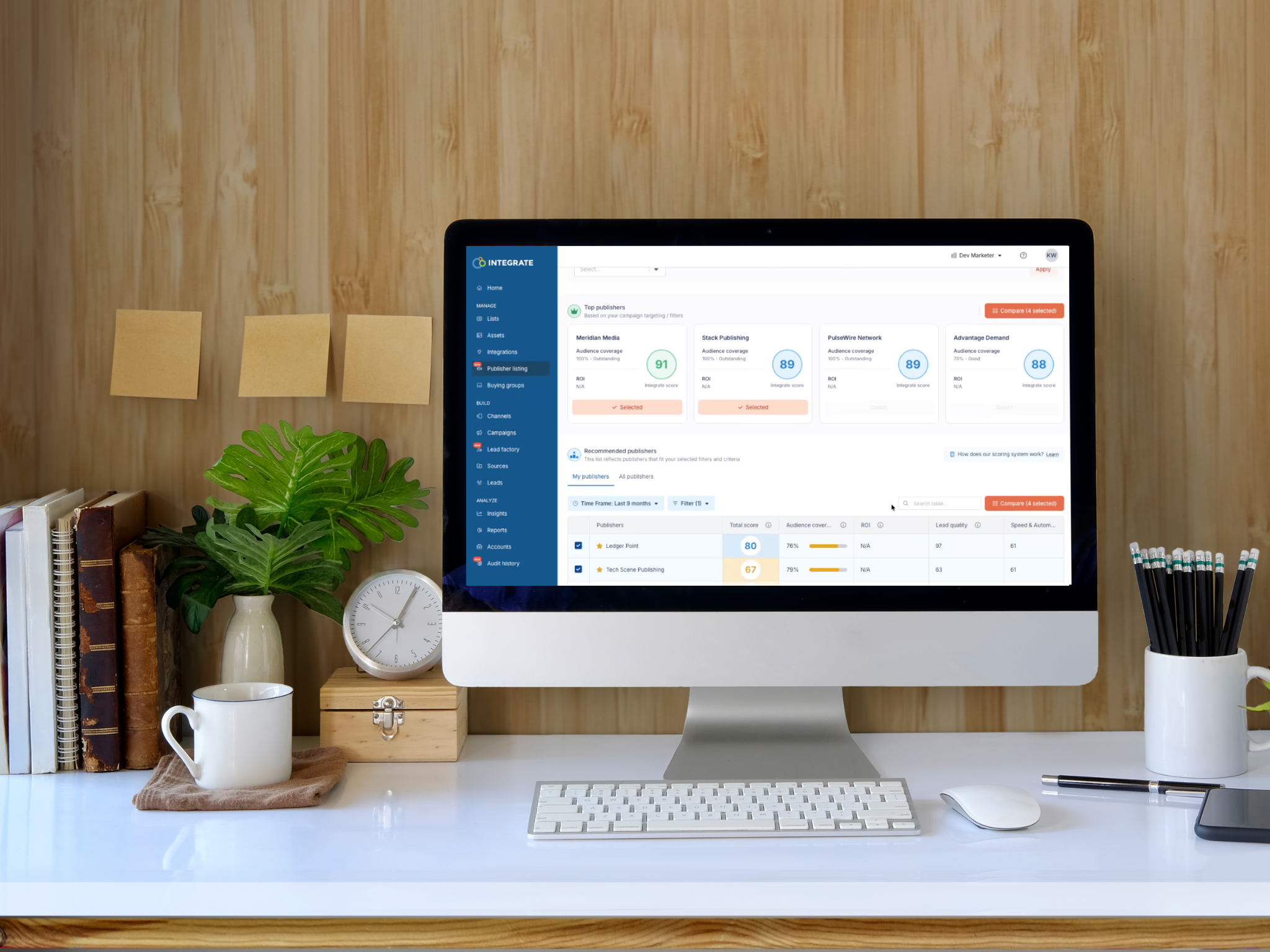
For many B2B teams, the most useful place to cleanse lead data is before it hits the MAP or CRM. That is where intake-stage workflows are most effective, because they can standardize values, catch duplicates, and surface exceptions before bad records multiply across systems.
Integrate’s Lead Factory works at that stage: it can normalize values, format dates and phone numbers, clean text, detect test data, let users review changes, and then send cleaned records through governance to downstream systems.
Integrate also offers ZoomInfo-backed enrichment as a separate step at intake, applied after records have been cleaned. That keeps the clean-first, enrich-second order intact.
Where to go next
If you want a closer look at how validation and governance apply to lead data before it reaches your CRM or MAP, request a demo .
Frequently Asked Questions
Is data cleansing different from data cleaning?
In most business contexts, no. Teams often use the terms interchangeably.
Should you enrich data before you cleanse it?
Usually no. Clean first, then enrich. That sequence reduces waste and makes the added context more reliable.
Where should marketing teams run data cleansing?
As close to intake as possible. That is where you can prevent bad data from multiplying across downstream systems.
About The Author